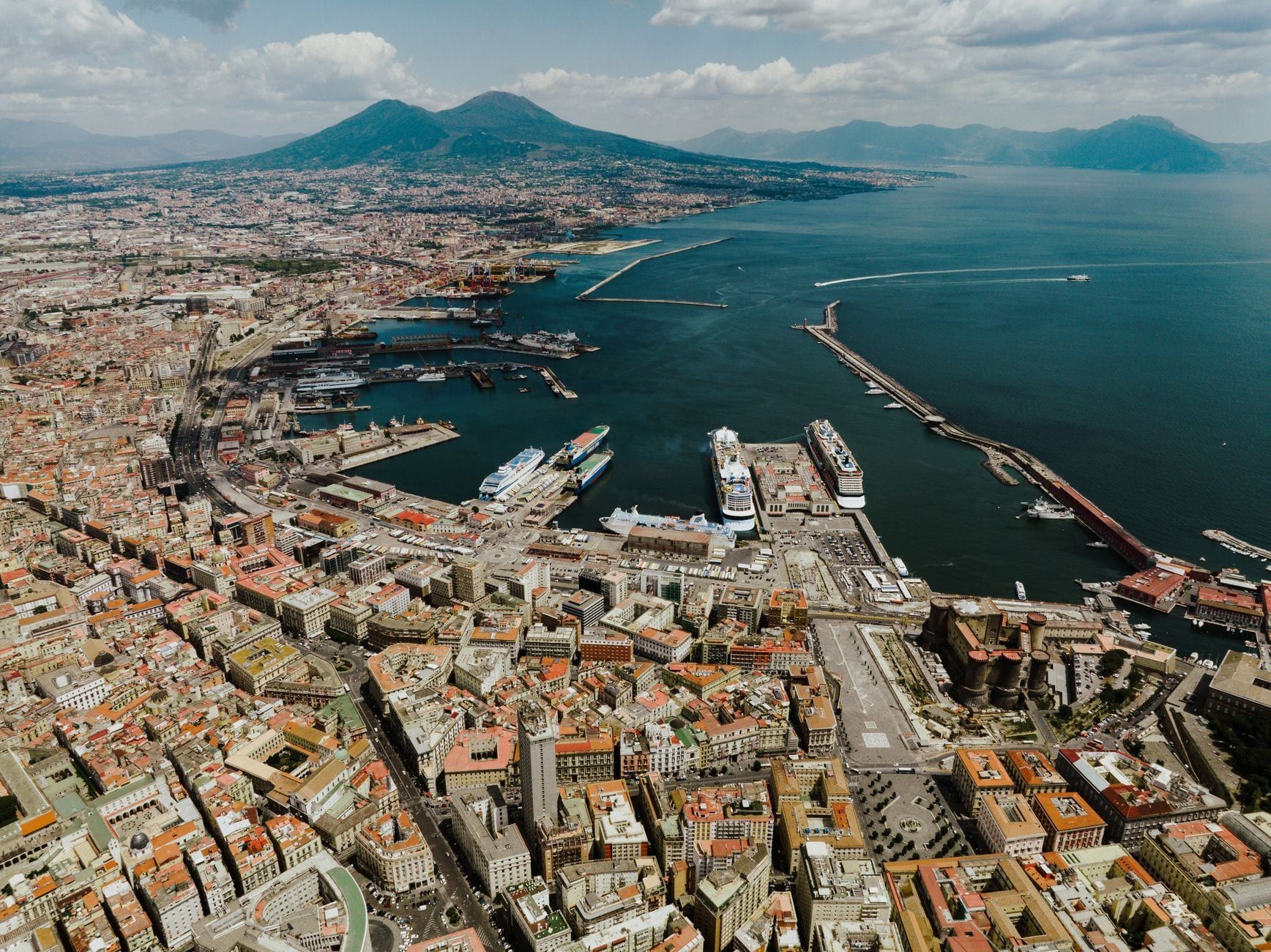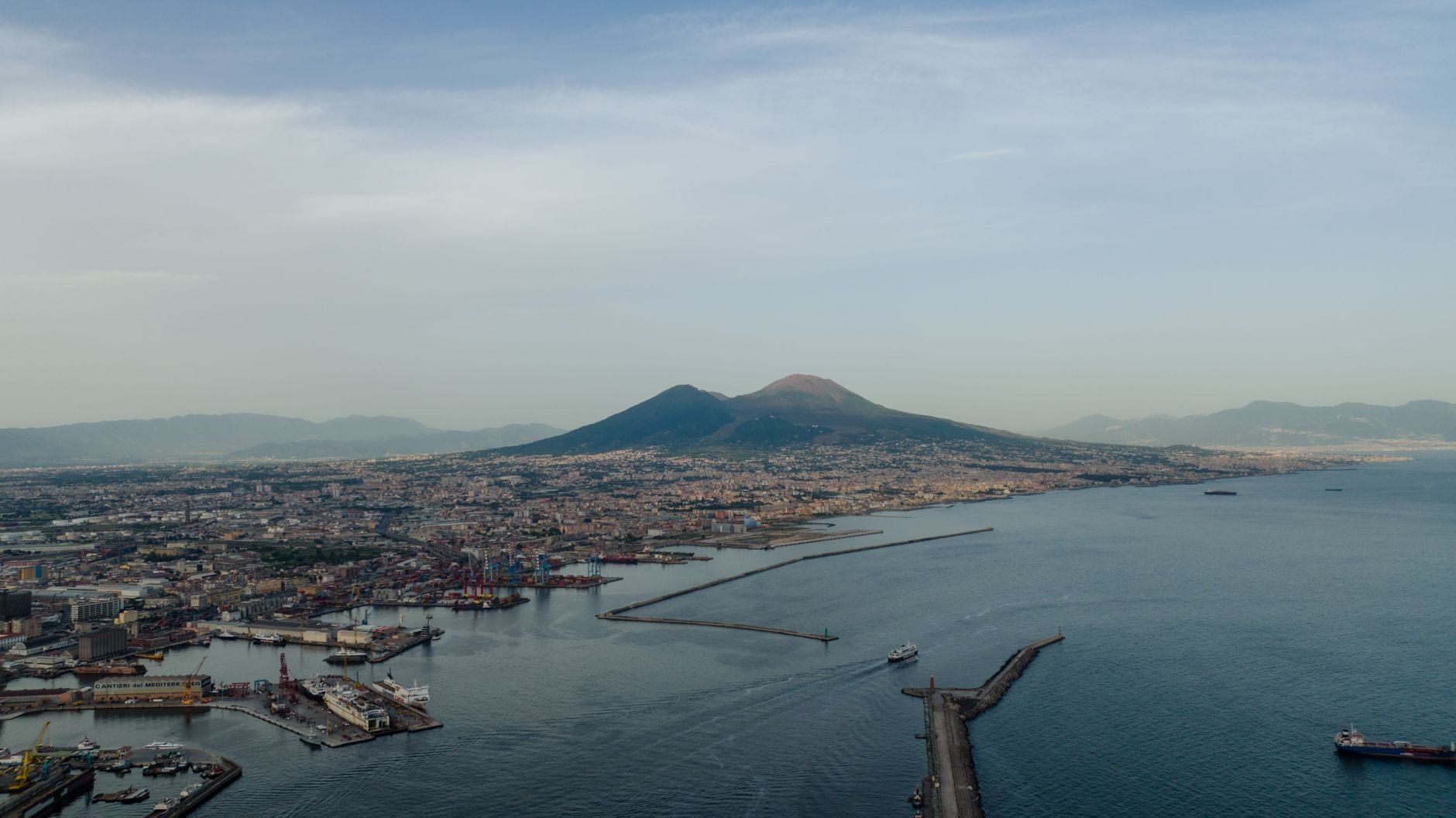
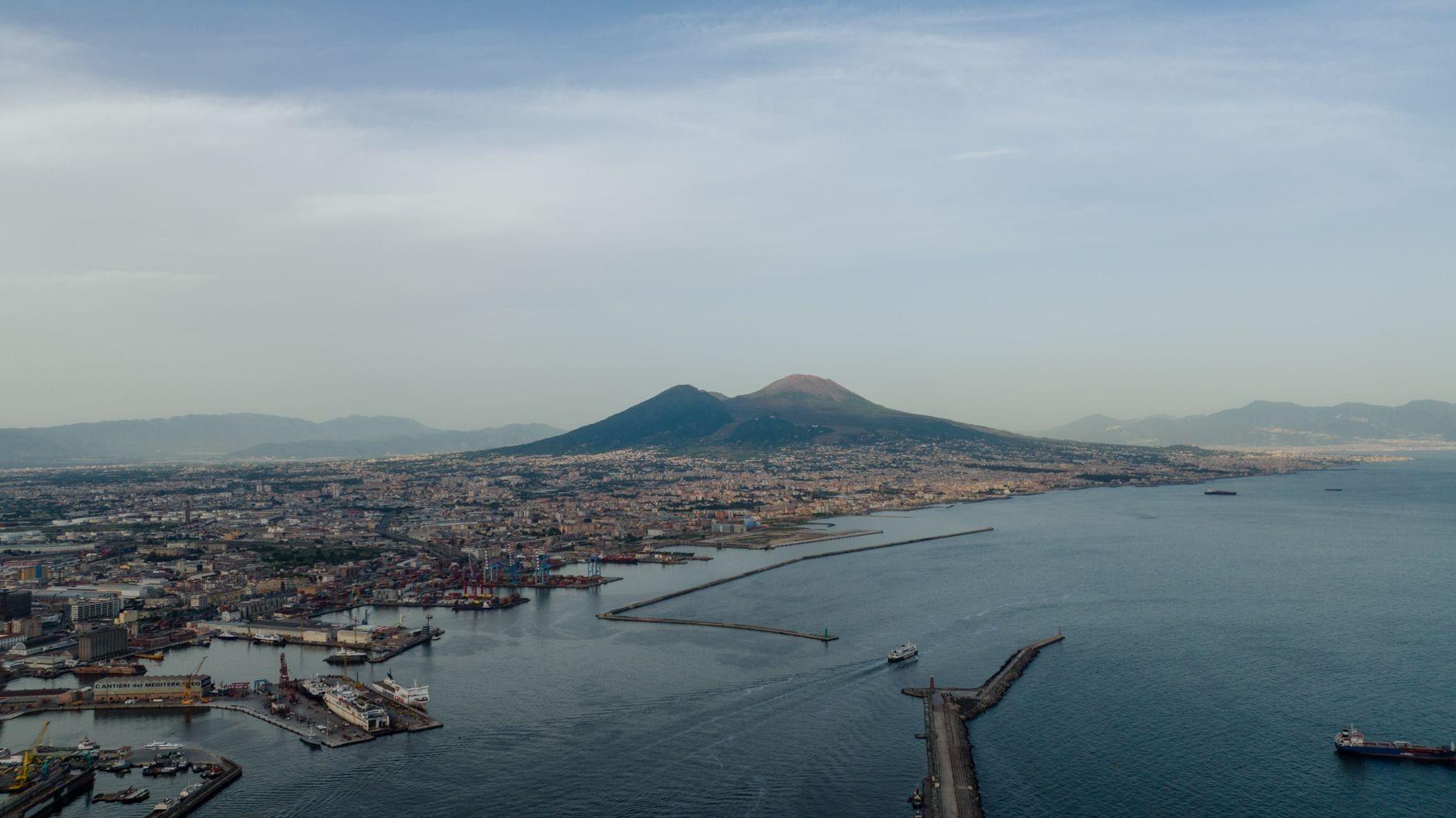
Pompeii's ruins and Vesuvius's crater sit close enough together that thousands of travelers stitch them into a single day trip out of Naples every year. It works, but only if you move with purpose: an early start, a tight schedule, and a plan for the one transfer that trips most people up. This guide walks through every leg of that day, from the first train out of Naples to the last bus down the mountain, with the numbers you actually need to book it.
Here's exactly how to pull it off, and when it's smarter to slow down and split the two sights over two days instead.
Can You Really Do Pompeii and Vesuvius in One Day?
Yes. It's a long day rather than a relaxed one, typically 8 to 10 hours door to door once you count both transfers, lunch, and the two site visits themselves. Figure on 3-4 hours inside Pompeii and about 2 hours at Vesuvius, with the rest eaten up by trains, buses, and waiting around. Leave Naples by 7:30 or 8am and you'll be back by early evening; leave any later and something gets rushed, usually the volcano.
The pairing exists because of one event. In 79 AD, Vesuvius erupted in a Plinian blast that sent an ash column roughly 33 km into the sky, burying Pompeii — a city of around 15,000 people — along with Herculaneum, Oplontis, and Stabiae. More than 1,000 people are confirmed dead, with estimates running as high as 3,500. Pompeii lay buried and largely forgotten until its rediscovery in 1748, which is why the ruins and the volcano that made them are visited together and explained on the Mount Vesuvius visitor guide.
Families with young kids, anyone with mobility limits, and visitors touring in the thick of a July heatwave should think twice about cramming both into one day. Splitting the trip over two days, or swapping the volcano hike for the gentler ruins at Herculaneum, keeps the day enjoyable instead of a slog against the clock.
Independent vs. Guided: Which Way Should You Do It?
Going it alone costs less and lets you linger wherever you like, but the trade-off is real: bus timetables between Pompeii and Vesuvius are thin, signage is patchy, and you'll get zero historical context standing in the Forum. Budget travelers report doing the whole day, entrance fees and local transport included, for roughly €40-60 per person.
A booked combo tour removes most of that friction. A well-reviewed full-day guided trip covering Pompeii and Vesuvius with transfers, skip-the-line tickets, a guide, and lunch runs from about $139 per person and takes around 8 hours — a fair trade if you'd rather not decode a bus schedule mid-afternoon. Browse the Pompeii and Vesuvius tours from Naples if a fixed itinerary sounds like less hassle than yours.
Families or small groups who value flexibility over savings should look at a private driver instead. It costs more than the public options but lets you flip the itinerary, linger at the crater for extra photos, or duck out of Pompeii early if the kids are done. Rule of thumb: book a tour or driver if you're short on time or traveling with people who won't tolerate transit delays; go independent if you're comfortable navigating on the fly and want to save the difference for lunch.
The Best Order & a Sample Hour-by-Hour Itinerary
Do Pompeii first, then Vesuvius. Mornings are cooler for walking two miles of uneven Roman streets, and Pompeii gets both hotter and more crowded as the day wears on. Vesuvius, by contrast, keeps its crater trail open later — last admission runs as late as 6pm in July and August — which gives you far more scheduling slack in the afternoon than Pompeii does.
Flip the order only if you're touring by private driver with total flexibility, or if summer heat makes an early ascent (before the sun is fully up on the exposed volcanic slopes) more appealing than an early Pompeii visit. Otherwise, stick with ruins first, volcano second.
| Time | Stop |
|---|---|
| 7:30-8:00am | Train from Naples to Pompei Scavi |
| 9:00am-1:00pm | Explore Pompeii |
| 1:00-1:30pm | Lunch near the site or en route |
| 1:30-2:30pm | Transfer from Pompeii toward Vesuvius |
| 3:00-5:00pm | Hike Vesuvius's crater trail |
| 5:00-7:00pm | Bus and train back to Naples |
For lunch, a quick plate near Pompeii's Piazza Anfiteatro exit keeps things moving, but if you've got a private driver or joined a Pompeii and Vesuvius combo tour, ask about a stop at a family winery on the volcano's slopes, such as La Cantina del Vesuvio, which sits roughly halfway between the two sites and offers a guided tasting with lunch and shuttle pickup for anyone without a car.
Getting From Naples to Pompeii
The Circumvesuviana (EAV) train is the standard route: board at Napoli Garibaldi or Porta Nolana, toward Sorrento, and get off at Pompei Scavi. The ride takes about 35-40 minutes and costs roughly €3.30-3.60 one way. Pompeii sits about 25 km southeast of Naples, and trains run frequently enough that missing one costs you 20-30 minutes, not your whole morning.
Trenitalia's regional line to Pompei station is a slightly more comfortable alternative if you'd rather skip the Circumvesuviana's crowded carriages, and the SITA regional bus covers the same route for travelers already near a SITA stop. Driving means the A3 motorway to the Pompei Ovest exit, with paid parking near the site; see the full directions and transport options if you're weighing routes from elsewhere on the coast.
One warning worth repeating: the Circumvesuviana is a known pickpocket line, especially during morning rush hour. Keep bags zipped and in front of you, and don't check anything you can't watch.
Exploring Pompeii: Tickets, Time Needed & Highlights
Buy the Pompei Express ticket, not Plus or Grande Pompei. The pricier options bundle in outlying villas you won't have time to reach on a combo day, so Express — the ruins themselves — is the right call.
Full admission is €20, with a €2 reduced rate for students aged 18-24 and teachers, and free entry under 18. The site opens 9am-7pm (last entry 5:30pm) from April through October, and 9am-5pm (last entry 3:30pm) November through March; it's closed on January 1, May 1, and December 25.
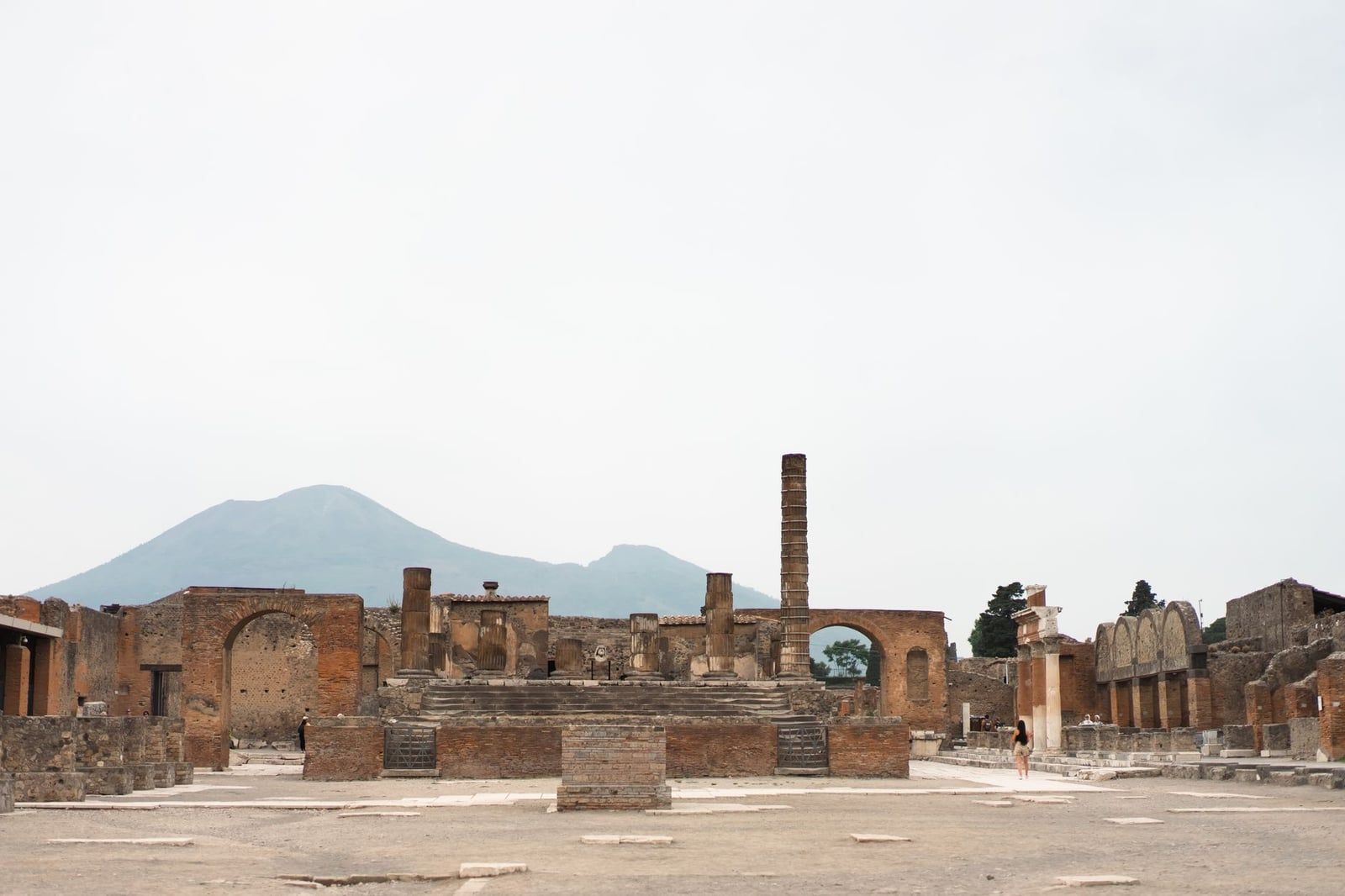
Plan on 3-4 hours minimum. Pompeii covers 44 hectares, and it's easy to burn an entire morning wandering without ever reaching the sights that matter most. Prioritize these if time is tight:
- The Forum, the civic and religious heart of the ancient city
- The Amphitheatre, one of the oldest surviving Roman arenas
- House of the Faun, the largest private residence in Pompeii
- Garden of the Fugitives, with plaster casts of victims caught fleeing
- The Lupanare, the city's best-preserved brothel, with painted frescoes
- The plaster casts displayed near the Forum Baths
Wear shoes you don't mind scuffing on ancient cobblestones, and book your ticket online before you arrive to skip the entrance queue. Exit through Piazza Anfiteatro rather than the main gate — that's also where the bus to Vesuvius picks up.
Getting From Pompeii to Vesuvius (and Back)
This transfer is the day's pinch point, and it's where independent travelers most often lose time. The public EAV bus stop is at Piazza Anfiteatro, right by Pompeii's eastern exit — it's unmarked enough that people walk past it. The bus costs about €3-4 (cash only, paid on board) and takes roughly 50-55 minutes up to the Vesuvius trailhead.
Private shuttles wait nearby and cost more, trading a few euros for guaranteed seating and a fixed departure time. Be wary of touts near the exit who claim the public bus isn't running or is hours slower than it actually is — check the posted EAV timetable yourself before paying for a private ride you don't need.
Confirm the last bus departure time down the mountain before you start hiking. Missing it means an expensive taxi or a long wait, and neither fits into an 8-10 hour day.
On the way back, get off at Torre del Greco instead of riding all the way to Pompei — it's about a 20-minute bus ride from the trailhead, followed by a 5-minute walk to the train station, and it shaves real time off your return to Naples.
Hiking Mount Vesuvius: Tickets, Trail & What to Expect
Tickets for Trail No. 5, the route to the Gran Cono crater, must be booked online in advance — there's no ticket booth at the gate. Full-fare admission is €10.00 (about €11.68 with the mandatory booking fee), and reduced tickets for visitors under 25 run €8.00 (about €9.55 with the fee). Check current pricing and slots on the Vesuvius hours and entry fees page before you go.
Opening hours shift by season: 9am-3pm in January, February, November and December; 9am-4pm in March and October; 9am-5pm from April through June and in September; and 9am-6pm in July and August. You must be off the trail within an hour of the last entry time, and daily visitor numbers are capped between roughly 2,160 and 3,240 depending on the month, so sold-out days do happen — about 20% of each day's tickets are held back for last-minute buyers released one hour before each slot, but that's a thin safety net in August.
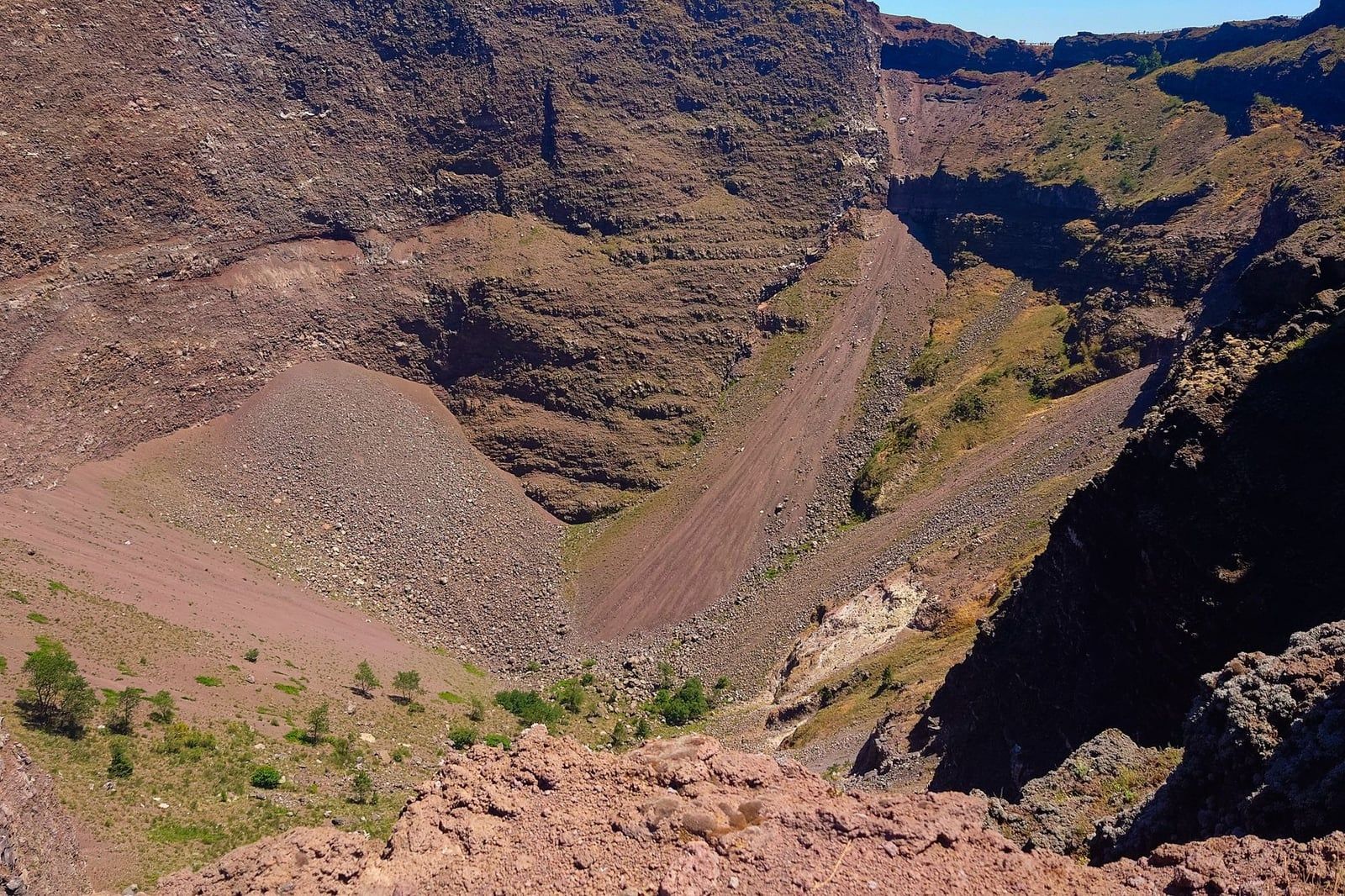
The trail itself is a steep, wide gravel path of loose volcanic ash, about 1.5 km and 20-30 minutes of steady climbing each way; the shortest round trip is capped at two hours by park rules. At the top, the summit sits 1,281 metres above sea level, looking down roughly 300 metres into a crater 450 metres across, with thin wisps of steam still rising from fumarole vents in the rock. For a full trail-by-trail breakdown, see the complete guide to Vesuvius hikes.
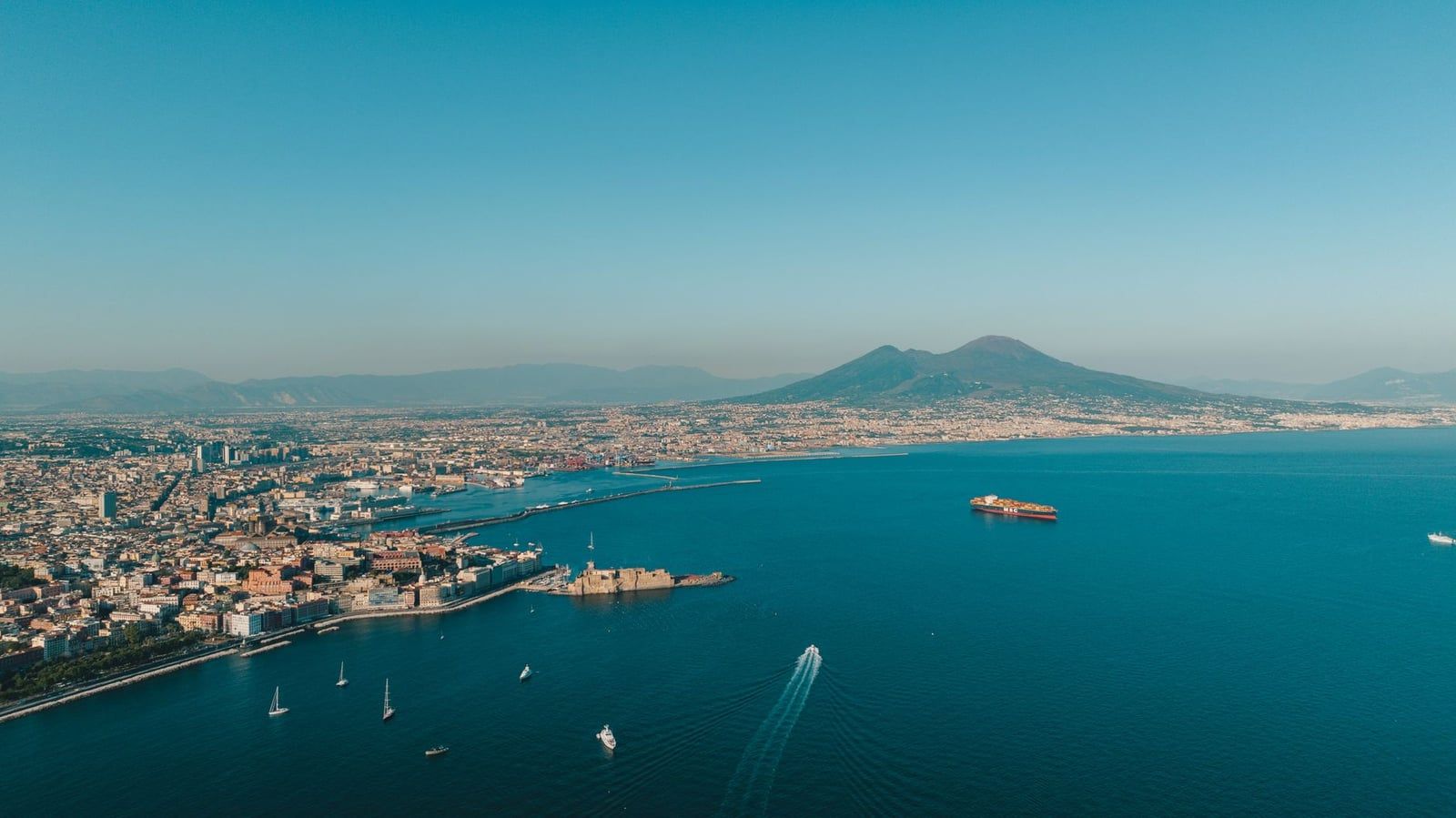
On a clear day the view stretches across the Bay of Naples to Capri and Ischia, with the older Mount Somma ridge and its 1,132-metre peak, Punta Nasone, rising just across the Valle del Gigante. Pack a light jacket even in summer — altitude and wind make the exposed rim noticeably cooler than Pompeii's sun-baked streets below.
Vesuvius last erupted in March 1944 and remains active, continuously monitored by Italy's Vesuvius Observatory and Civil Protection authorities, who plan for roughly two weeks' warning before any future eruption across the surrounding red zone of about 700,000 residents. In practice, the park simply closes the trail if a weather or volcanic alert is declared, or if snow, ice, or heavy wind make the ash surface unsafe — check the park's status the morning you go.
Budget, Packing List & Smart Alternatives
| Independent | Guided Tour | |
|---|---|---|
| Transport (Naples-Pompeii-Vesuvius-Naples) | €10-15 | Included |
| Pompeii entry | €20 | Included |
| Vesuvius entry | ~€10-12 | Included |
| Lunch | €10-15 (self-pay) | Often included |
| Guide/historical context | None | Included |
| Approximate total | €40-60 | From ~$139 |
Pack sturdy closed-toe shoes for both cobblestones and loose volcanic gravel, water, sun protection, a light jacket for Vesuvius's cooler microclimate, and cash for buses that don't take cards. There's no full dining setup on the mountain, just a small trailhead coffee stand, so bring snacks if you're doing Vesuvius in the afternoon slump.
April, May, June and September hit the sweet spot: mild temperatures, shorter lines, and none of July-August's punishing midday heat on Vesuvius's shadeless slopes. Arriving at Vesuvius right at 9am opening, whatever month you go, still gets you the clearest crater views before tour buses arrive.
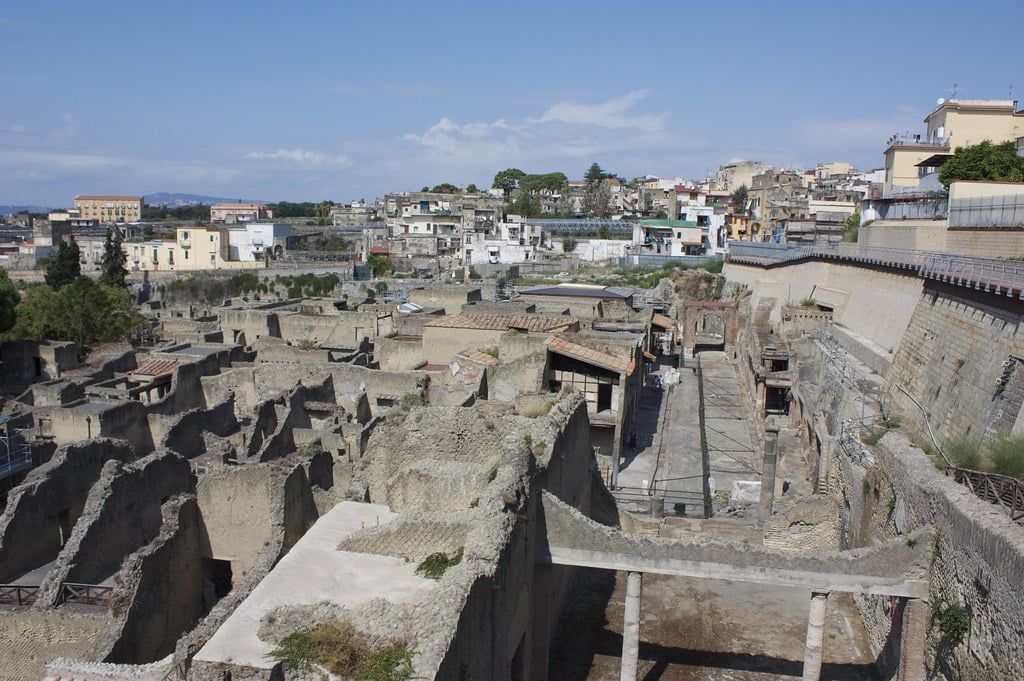
If the full combo feels too rushed, swap in Herculaneum instead of Pompeii, or add it as a third stop for groups moving fast. It's smaller and better preserved than Pompeii — multi-story buildings and even carbonized wood survive there — and its Ercolano Scavi train stop sits about 6 minutes' walk from the entrance, closer to the Vesuvius shuttle than Pompeii is. Admission runs €16 full price, against Pompeii's €20, with the same €2 reduced rate and free entry under 18. Compare the Vesuvius and Herculaneum tours from Naples if that pairing suits your schedule better.
Most bad days come down to the same four mistakes:
- Waiting too long to book Vesuvius tickets and finding your time slot sold out
- Missing the last bus down the mountain and scrambling for a taxi
- Paying a tout for a private shuttle the public bus already covers
- Underestimating Pompeii's size and running out of time before Vesuvius
Frequently asked questions
Can you visit Pompeii and Mount Vesuvius in one day from Naples?
Yes, it's a well-established combination, but expect a long day of about 8-10 hours door to door. Start by 7:30-8am to give yourself a comfortable margin at both sites.
Should I visit Pompeii or Mount Vesuvius first?
Visit Pompeii first. Mornings are cooler for walking the ruins, and Vesuvius keeps its crater trail open later in the day, with last admission as late as 6pm in summer, giving you more scheduling room in the afternoon.
How do you get from Pompeii to Mount Vesuvius?
Take the EAV public bus from the Piazza Anfiteatro stop near Pompeii's exit, which costs around €3-4 and takes 50-55 minutes, or book a private shuttle for guaranteed seating. Always confirm the last return departure before you start hiking.
Do I need to book Mount Vesuvius tickets in advance?
Yes. Tickets for the Gran Cono crater trail are timed-entry and must be bought online in advance since there's no ticket office at the gate. In peak summer, slots can sell out days ahead, with only a small last-minute allocation released an hour before each time slot.
How much does a Pompeii and Vesuvius day trip cost?
Independent travelers can do it for roughly €40-60 per person covering entrance fees and local transport, while a guided full-day tour with transfers, a guide, and lunch runs from about $139 per person.
How long does it take to hike Mount Vesuvius?
About 20-30 minutes one-way from the trailhead to the crater rim along a steep gravel path, with the shortest round trip capped at two hours by park rules. Allow roughly 1-2 hours total for the hike and time at the summit.
Is Herculaneum a better option than Vesuvius to pair with Pompeii?
Herculaneum is another ruin site, not a substitute for the volcano hike, but it's worth swapping in for Pompeii or adding as a third stop since it's smaller, less crowded, and its train station sits about 6 minutes from the Vesuvius shuttle stop.
What should I pack for a Pompeii and Vesuvius day trip?
Sturdy closed-toe shoes for Pompeii's cobblestones and Vesuvius's loose volcanic gravel, water, sun protection, cash for buses, and a light jacket for the cooler, windier air at Vesuvius's summit.
Sources
- parconazionaledelvesuvio.it/en
- parconazionaledelvesuvio.it/en/visit-the-park/the-paths/the-great-cono-2-2
- parconazionaledelvesuvio.it/en/the-volcano/geology-and-vulcanology
- en.wikipedia.org/wiki/Mount_Vesuvius
- en.wikipedia.org/wiki/Eruption_of_Mount_Vesuvius_in_79_AD
- en.wikipedia.org/wiki/Vesuvius_red_zone
- earthmagazine.org/article/benchmarks-march-17-1944-most-recent-eruption-mount-ve
- protezionecivile.gov.it/en/approfondimento/national-civil-protection-plan-volcan